
Why a structured approach matters
Picking a pond fountain for a high-end estate ain’t just about how it looks at twilight — it’s about hydraulics, maintenance, and how the feature supports the home’s story. Use a repeatable framework and you avoid last-minute surprises: mismatched pump specs, lighting that buzzes on timers, or a nozzle that throws spray where you don’t want it. This guide gives you a simple decision map so designers, landscape architects, and homeowners can talk the same language from concept to commissioning.
Framework overview: four pillars to evaluate
Think of selection as four pillars: Site Context, Performance Specs, Aesthetic Systems, and Service & Integration. Treat each pillar like a checklist you revisit at every design milestone. That keeps decisions measurable and defensible — no guesswork when the client asks why you chose a particular nozzle or transformer.
1. Site Context: scale, sightlines, and ecology
Start with the pond itself. Is it a formal reflecting pool on a parterre or a naturalistic pond tucked into a wooded slope? Size and depth govern pump capacity and flow rate; shallow basins need low-head, high-flow setups, while deep ponds demand pumps rated for greater head. Also factor in sightlines to the house and adjacent terraces — a tall plume that reads great from the garden may look overpowering from the master suite. Don’t forget wildlife and local ordinances; some towns in the Southeast have rules about outdoor water features and native planting buffers.
2. Performance specs: pump, nozzle, and lighting considerations
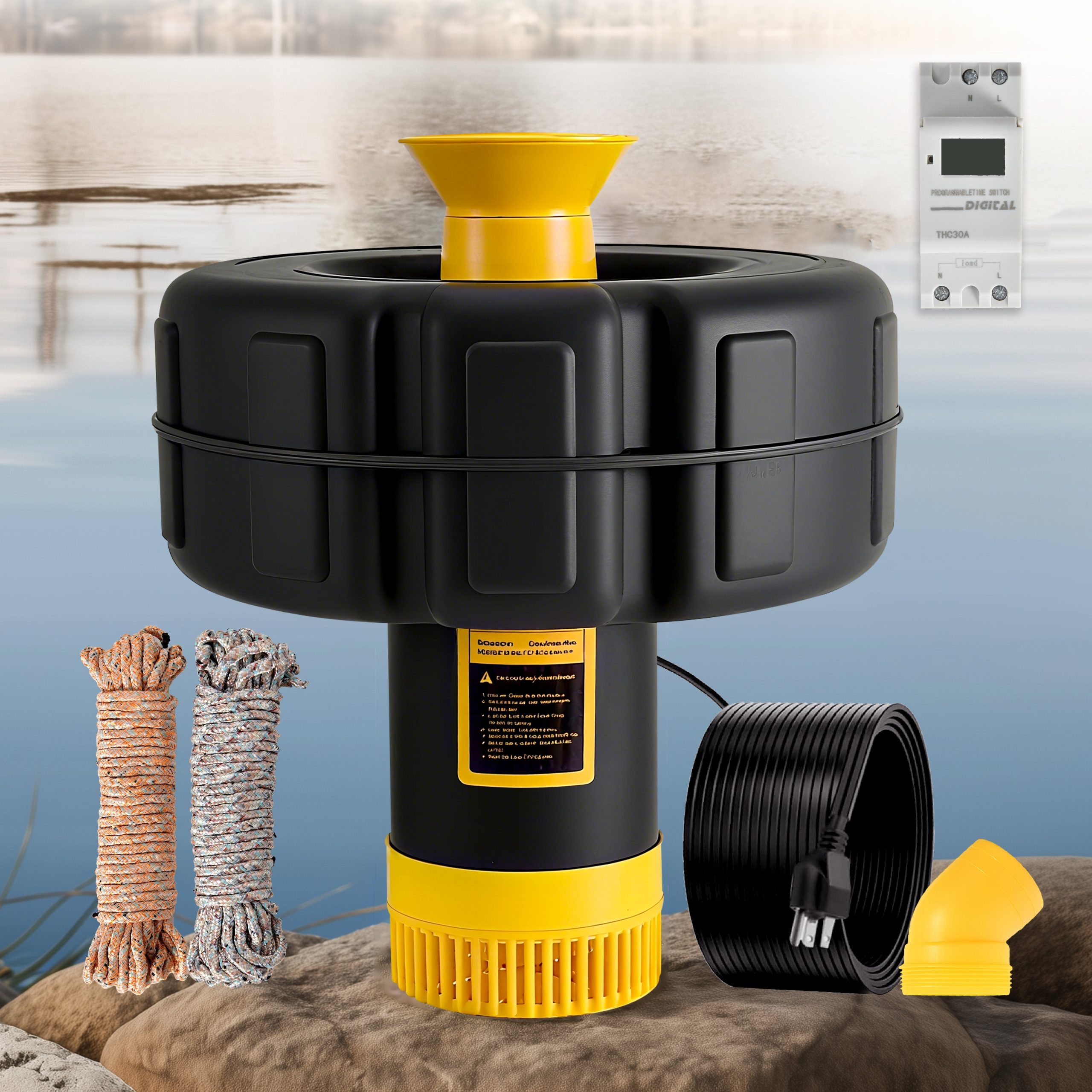
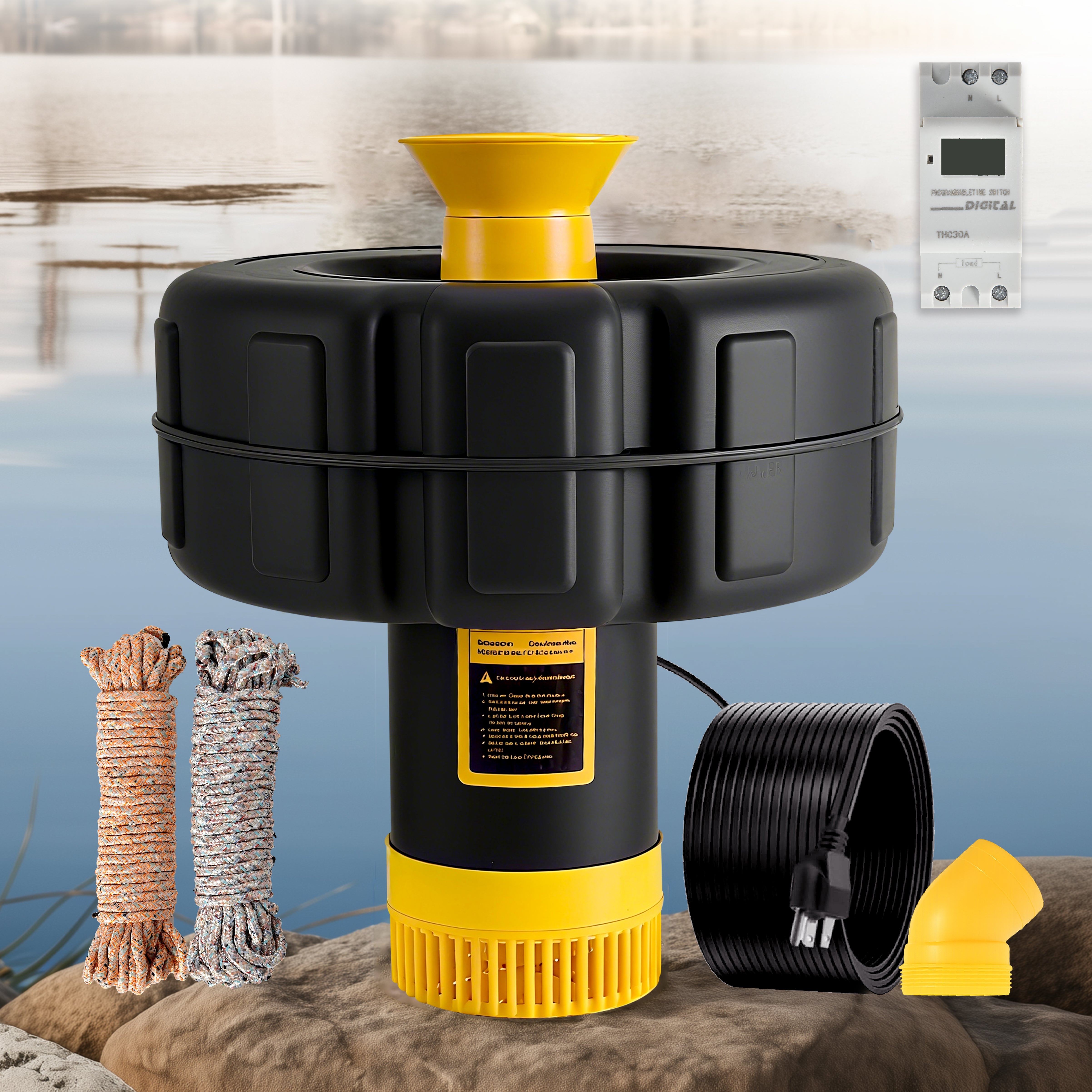
Translate design intent into numbers. Decide target spray height and pattern, then specify pump capacity and nozzle types to match. Submersible pumps are tidy and quiet for residential settings, while external pumps give easier access for servicing. Lighting intersects with hydraulics — LED underwater fixtures need proper heat dissipation and a compatible transformer rated for the circuit load. If you’re working with a fountain that will cycle daily, choose durable materials and a pump with proven mean time between failures.
3. Aesthetic systems: finish, rhythm, and choreography
Here’s where technique meets taste. Nozzle choices alter spray texture — a laminar stream reads crisp and modern, while multi-jet designs suggest movement and sparkle. Lighting should choreograph the water, not overpower it: warm LEDs for a classic look, cooler whites for contemporary plazas. Consider how reflections play on paving and plantings — and how the fountain ties into other elements like a outdoor pond fountain feature lighting plan for pathways and terraces.
4. Service, controls, and long-term costs
Most luxury projects live and die by serviceability. Design systems with accessible control panels, modular nozzle mounts, and standard electrical components so technicians can swap parts without retooling the whole feature. Integrate smart controls for scheduling and remote monitoring — they cut utility waste and protect pumps from dry-run damage. Budget not just for initial install but for annual servicing: a pro check on seals, wiring, and filter media saves big later.
Comparing common system types
Lay the options side-by-side so clients see trade-offs.
- Submersible single-nozzle: quiet, discreet, lower install cost; best for small reflecting pools.
- External multi-pump arrays: scalable and service-friendly; ideal for large choreographed displays but costlier and louder.
- Laminar jets with LED rings: contemporary, glassy streams good for entry courts; require precise plumbing and crisp nozzles.
Real-world anchor: a century of public precedent
Look to public works for durable lessons — Bethesda Fountain in Central Park, dedicated in 1873, shows how a well-placed water feature becomes part of a place’s identity over generations. Municipal features taught private clients patience: robust materials and redundancy matter, especially in humid climates where corrosion and algae can be stubborn foes. Those lessons apply in residential estates just as much as in parks.
Common mistakes and how to avoid ’em
Clients often want dramatic spray without understanding maintenance implications — bigger jets mean bigger pumps and higher energy bills. Another misstep is pinning lighting decisions late in the process; fixtures must be coordinated with plumbing and electrical during early design. Finally, folks underestimate commissioning: a fountain that looks great dry can misbehave once water and wind get involved — always run full-system tests with the final lighting and control schedules before handover. —
Integration checklist: practical items for your specification
Use this short checklist in contracts and specs:
- Defined spray heights and acceptable drift tolerances
- Pump curve matching with selected nozzles
- Service access points and spare-parts list
- Lighting load schedule and transformer redundancy
- Maintenance plan with annual inspection milestones
Three golden rules for luxury pond fountain selection
1) Align aesthetics with hydraulics: pick nozzle and pump specs first, then detail finishes. 2) Design for service: accessible pumps, standard parts, and clear maintenance docs reduce lifetime cost. 3) Test under real conditions: full commissioning with wind, lights, and scheduled cycles prevents surprises.
When those rules are part of the contract, the fountain becomes a lasting asset rather than a pretty liability. For projects that want elegant, dependable systems tied into broader smart-home and landscape controls, consider solutions that balance bespoke design with proven engineering — and that’s where the value of a thoughtful partner comes in. Orison. —