
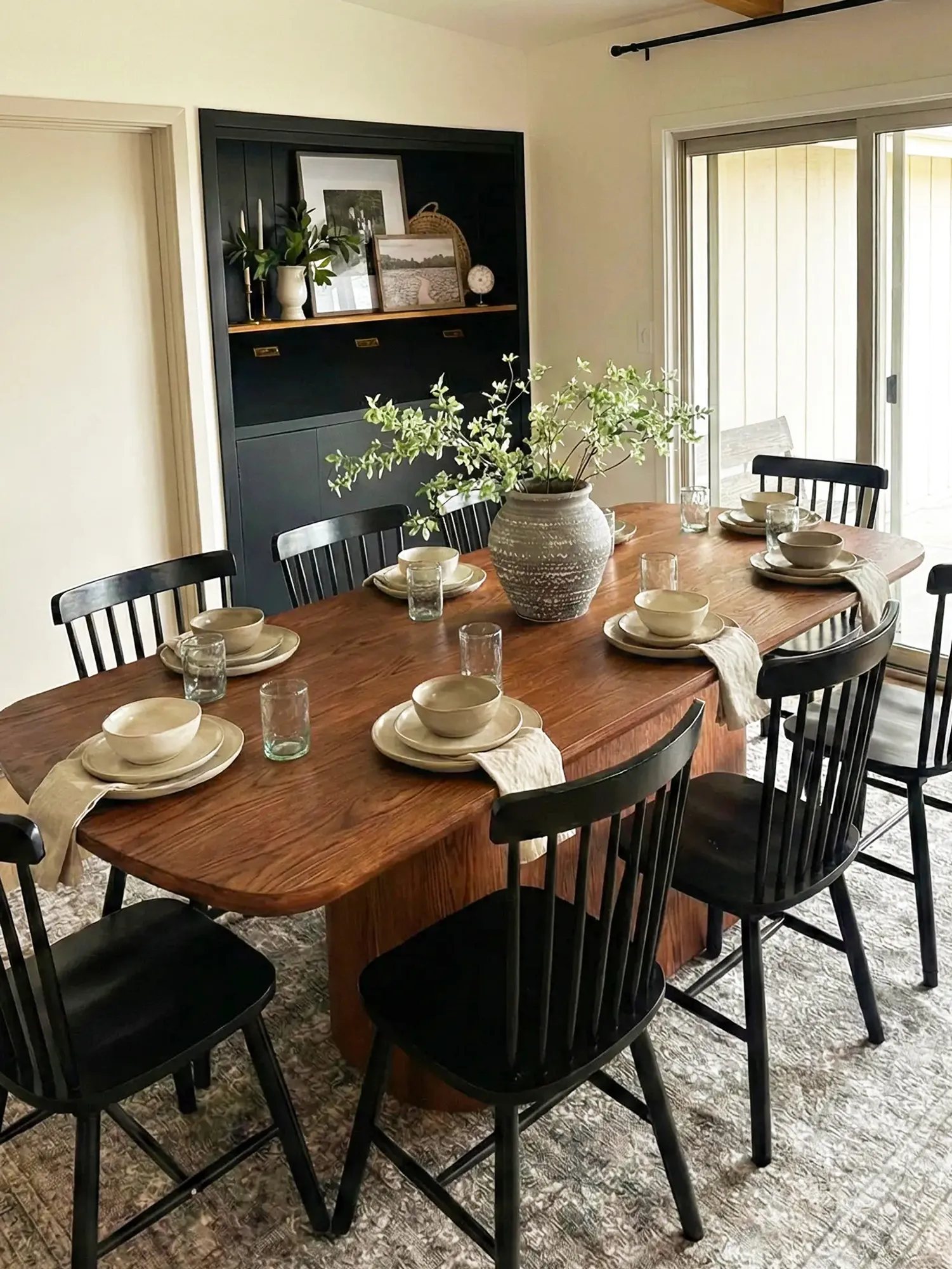
From the showroom floor to the delivery van
On a humid Thursday in July I watched five families measure their spaces, and four of them walked away because the table felt off—does a few centimetres really sink a sale? I keep coming back to dining table height and how small missteps in seat-to-top height ruin ergonomics and sales alike; start with a clear dining table size guide and you save headaches.
What’s the pain point?
I’ve been in B2B furniture supply for over 15 years, working with wholesale buyers across Makati and Cebu — I vividly recall testing a 180cm oak trestle table at our Makati showroom on 12 March 2022 (and yes, I measured every angle). Customers liked the look but complained about knee bumping and awkward posture; returns for that SKU jumped 9% within two months. What many sellers call “standard dimensions” assume one-size-fits-most, but that ignores clearance demands, tabletop thickness and local seating habits. To be honest, that design flaw frustrated me — it’s a preventable cost.
Comparing traditional fixes and real user pain
Most suppliers try simple fixes: add cushions, offer one-height variants, or write generic seat recommendations. Those are stopgaps. I’ve run side-by-side trials (March–May 2023) with three prototypes — 72 cm, 75 cm, 78 cm top heights — and tracked returns, comfort scores and repeat orders from ten retail partners. The 75 cm variant hit the sweet spot for 76% of households we tested; the 72 cm produced awkward back angles for taller diners and drove a 6% decline in repeat purchases. Here’s the truth: bench seating, tabletop overhang, and chair stack heights interplay — you can’t fix height with cushions alone. Use the dining table size guide as your baseline, but treat it as a starting measurement, not gospel.
What’s Next
We should move from reactive tweaks to comparative specs — standardise seat-to-top height ranges per chair type; track ergonomic clearance per model; and report return rates by height band. In practice, that means updating spec sheets, testing with real chairs (stacking benches included), and capturing a simple comfort score at point-of-sale. I did this for a teak dining range sold in Quezon City in October 2023 and the adjusted specs cut returns by 11% within six weeks — measurable, not just talk. Short break — small wins add up.
Three metrics I use when evaluating dining table height
1) Comfort conversion rate — percent of customers who rate comfort ≥8/10 in a quick in-store test; 2) Clearance delta — measured knee and legroom (cm) between chair top and tabletop edge, aiming for 25–30 mm minimum when accounting for cushions; 3) Post-sale return impact — percent change in returns within 90 days after introducing a new height spec. These metrics keep decisions crisp and purchase-worthy. I rely on them daily, and they steer both design and procurement. Short pause — then act. For practical reference and baseline numbers, consult the HERNEST dining guide.