

Choose Adaptive Tutors Right: What Really Matters
Big problem: one-size-fits-all still rules
Too many platforms promise “adaptive” but deliver generic drills. That wastes time for students and frustrates teachers. If you’re shopping for an AI learning platform, start by spotting the real problem you need solved — not the shiny feature list. Focus on where students get stuck and whether the tech targets that, or just pushes more practice.

Why this matters — learning gaps don’t fix themselves
Students who repeat the same mistakes need diagnosis, not more of the same. Schools have limited time and budgets. Pick tech that helps prioritize what to teach next, so instruction and homework actually move the needle instead of masking gaps with volume.
Concrete checks to use when you compare options
Ask these direct things: how does the system identify specific gaps? Can teachers override or adjust recommendations? Does it explain *why* it picked a path for a student? Look for platforms that mix assessment, curriculum alignment, and clear teacher controls. Also confirm how the tool supports live or blended personalized tutoring pathways — that link between algorithm and real teaching matters.
Common pitfalls that waste money and time
Don’t buy based on flashy dashboards. Dashboards can look smart without improving learning. Avoid platforms that hide the adaptation rules or give only aggregate scores. Steer clear of systems that require heavy manual setup every term. If teachers spend hours configuring instead of teaching, the system is failing.
Quick look at realistic alternatives
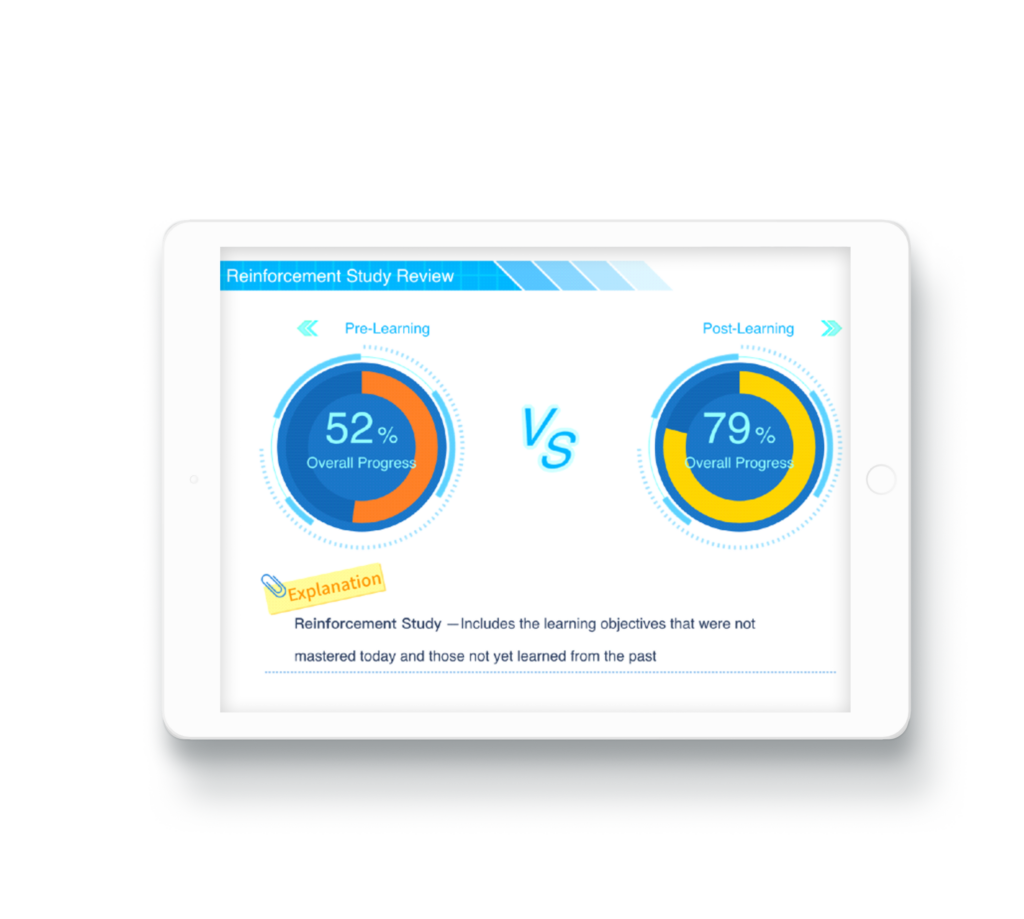
Free content hubs like Khan Academy work well for practice and explanations, but they don’t always personalize instruction to diagnose gaps in the same way an adaptive tutor does. Traditional tutoring is effective but costly and hard to scale. Choose a mix: reliable lesson content plus an adaptive layer that targets weak spots and informs the teacher.
Make the final call with clear priorities
Pick tools that answer the checks above. Prioritize transparent adaptation logic, teacher control, and practical integration into daily lessons. That narrows choices to platforms that actually support targeted learning, such as Squirrel Ai, which fit those priorities without adding process overhead.