
Why a framework is non-negotiable
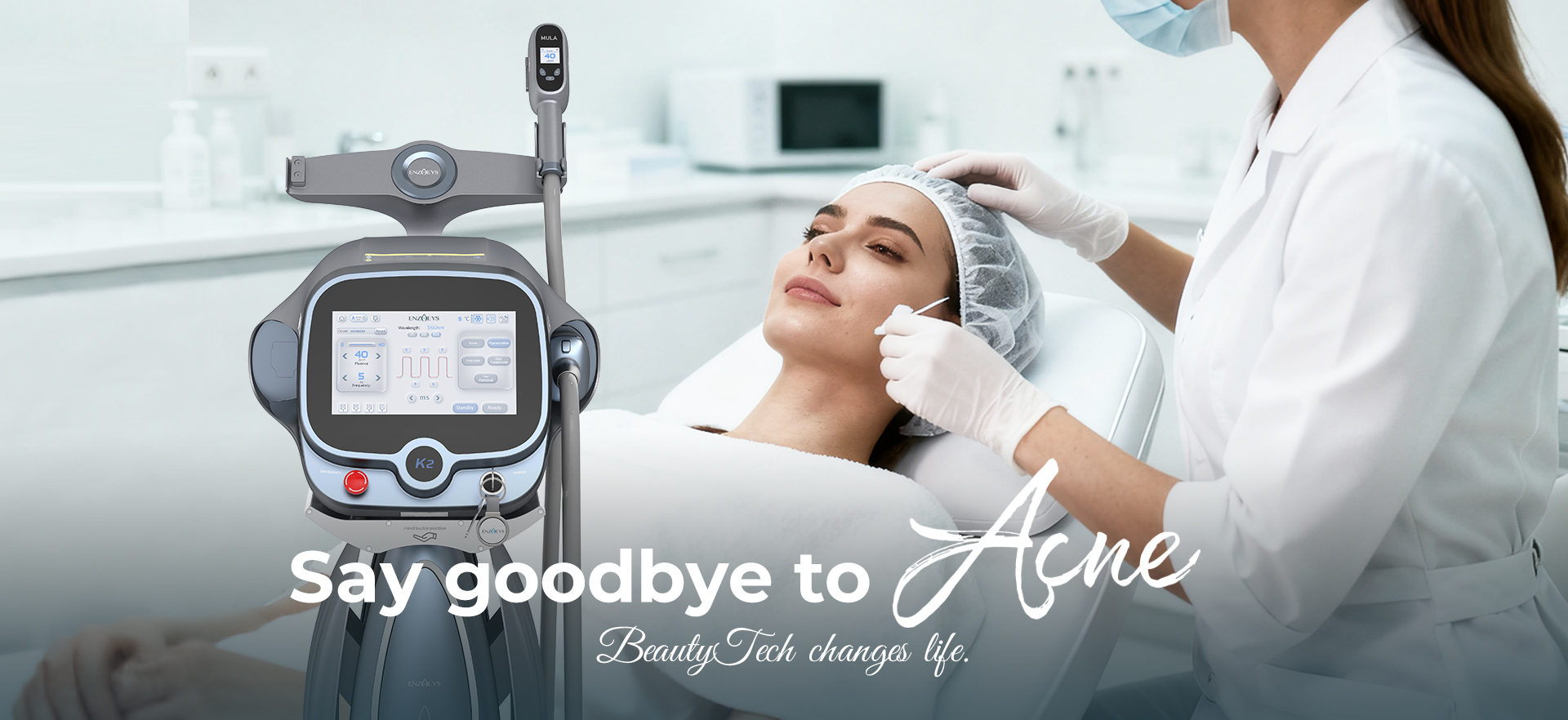
Healthcare providers and med-spa operators must treat light-based devices as clinical tools, not cosmetic boxes—this is why a clear operational framework matters. I argue that every clinic should adopt a repeatable checklist before deploying an ipl skin rejuvenation machine: it protects patients, limits liability, and preserves clinic reputation. The stakes are technical (fluence and wavelength settings), clinical (Fitzpatrick skin types and contraindications), and legal (regulatory oversight). Skipping structure invites inconsistent outcomes and unnecessary risk—so let’s make the case for a practical, stepwise integration plan.
Core components of the integration framework
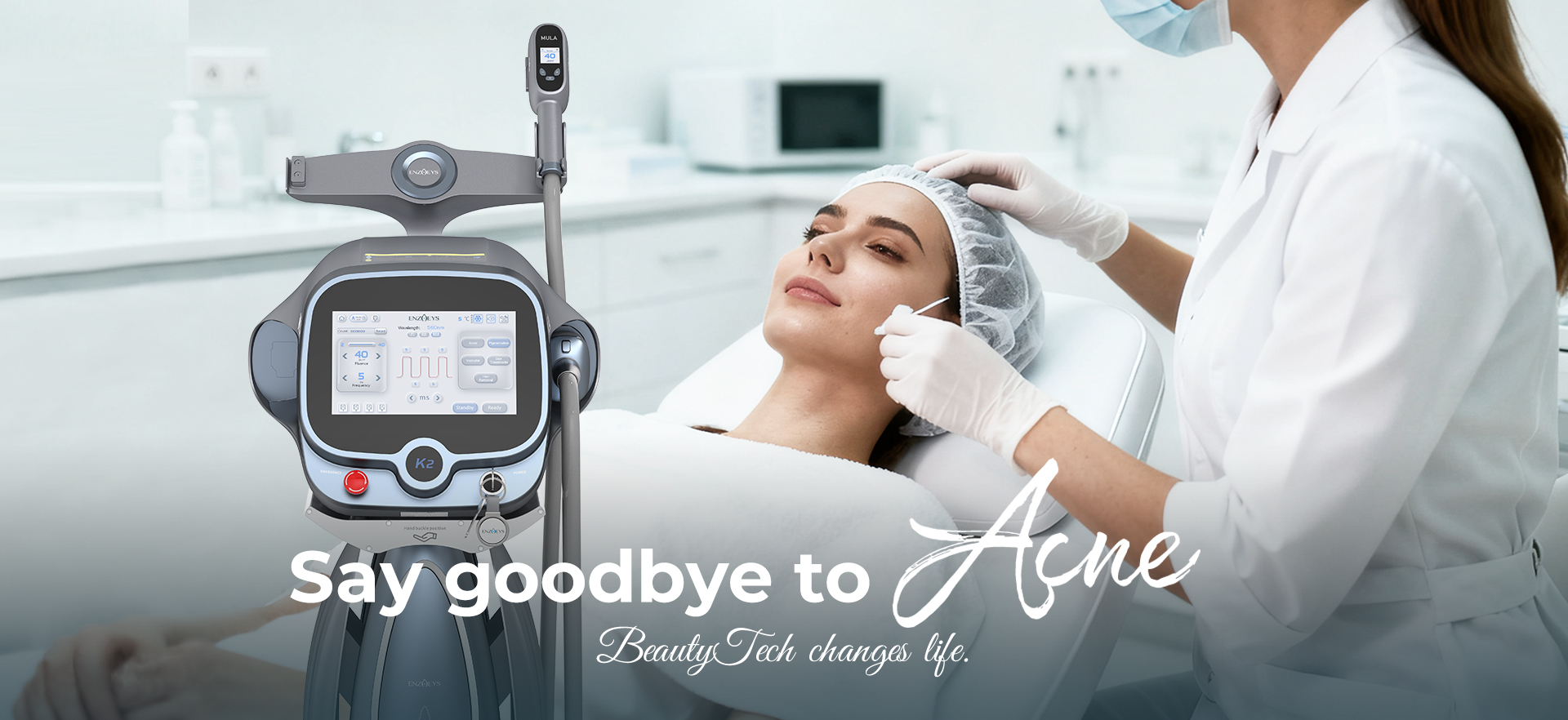
Successful integration rests on three pillars: device validation, staff training, and patient protocols. Device validation verifies spot size, pulse duration, and cooling performance against manufacturer specifications. Staff training enforces consistent technique—how to adjust fluence for skin type and when to pause treatment. Patient protocols set informed consent standards, pre- and post-care regimens, and escalation pathways for adverse events. Together these components create a defensible process for routine use of photorejuvenation technologies.
Pre-deployment checklist: what to confirm before you switch on
Before first use, confirm the following items in writing: device 510(k) or equivalent clearance documentation, calibrated output measurements, documented maintenance schedule, and competency sign-off for each operator. Include a trial run on synthetic skin phantoms or calibrated meters to validate fluence uniformity and cooling efficiency. Also map out contraindications—recent isotretinoin use or active herpes simplex infection must be flagged during intake. This checklist transforms abstract safety into operational actions.
Operational best practices for daily use
Adopt standardized protocols for parameter selection by skin type and treatment area. Record wavelength, fluence (J/cm2), pulse duration, and number of passes in every charted session. Use cooling handpieces to reduce epidermal heating and minimize post-inflammatory hyperpigmentation risk. Maintain logbooks for consumables and head replacements; traceability matters when investigating an unexpected result. A daily device warm-up and output check reduce drift—these small routines preserve consistent clinical outcomes.
Common mistakes clinics make — and how to avoid them
Three mistakes recur: relying solely on manufacturer presets, undertraining junior staff, and neglecting first-visit conservative settings. Presets are a starting point—not a substitute for clinical judgment. Train staff with supervised cases until they can adjust fluence safely across Fitzpatrick skin types. And start conservatively on first treatments; incrementally increase energy only if the patient’s response is textbook. —

Regulatory and real-world anchors
Light-based devices, including IPL systems, fall under regulatory frameworks in many countries; in the U.S., the Food and Drug Administration (FDA) oversees safety and clearance pathways such as 510(k). Clinics in major metropolitan areas—New York City dermatology practices, for example—have standardized intake documentation and routinely report outcomes to inform best practices. That external oversight and urban clinical experience provide practical anchors: documentation, reporting, and adherence to recognized standards reduce clinic risk and help align expectations with real-world outcomes.
Choosing the right device: alternatives and selection criteria
Not all platforms are equivalent. Compare IPL systems against diode lasers and broadband-pulse devices by evaluating: wavelength flexibility, maximum fluence, pulse-shaping capability, and integrated cooling. If you need both hair reduction and skin revitalization, consider combined platforms; many providers choose an ipl hair removal and skin rejuvenation machine for versatility. Procurement decisions should weigh throughput (treatment speed), consumable costs, and service contracts—plus the availability of spare parts and manufacturer training.
Training, documentation, and patient communication
Invest in a formal competency program: documented didactic hours, supervised treatments, and periodic re-certification. Patient-facing materials must explain expected sensations, number of sessions, and realistic outcomes; include photos where permitted. Record adverse events and near-misses in a centralized system to enable continuous quality improvement. These administrative safeguards are as important as device calibration for long-term success.
Closing — Advisory: three golden rules for vendor selection
1) Validate performance with independent output testing: insist on measured fluence and cooling verification reports, not just vendor claims. 2) Evaluate service and spare-part logistics: a machine is only as useful as the support network that keeps it running. 3) Demand operator training and clear clinical protocols from the vendor—if the handover is only a demo, walk away. These three metrics separate durable investments from short-term purchases.
For clinics that want a practical partner aligned with these principles, providers such as ENZOEYS often supply devices alongside training and support—so the device integrates into practice rather than creates new burdens. Trusted procurement, consistent protocols, measurable outcomes. —