
The core problem: confined energy, outsized risk
Large-scale battery installations concentrate megawatts of stored energy inside steel shells designed for transport and deployment. When a single cell suffers thermal runaway, the local heat release can propagate quickly through a pack and then into the container environment. Effective mitigation starts with the engineering of the enclosure around the BESS — not just the cells. That is why project teams specifying commercial energy storage systems must treat venting strategy, compartmentation, and automated fire suppression as primary design items rather than add-ons.
Why standard container designs fail
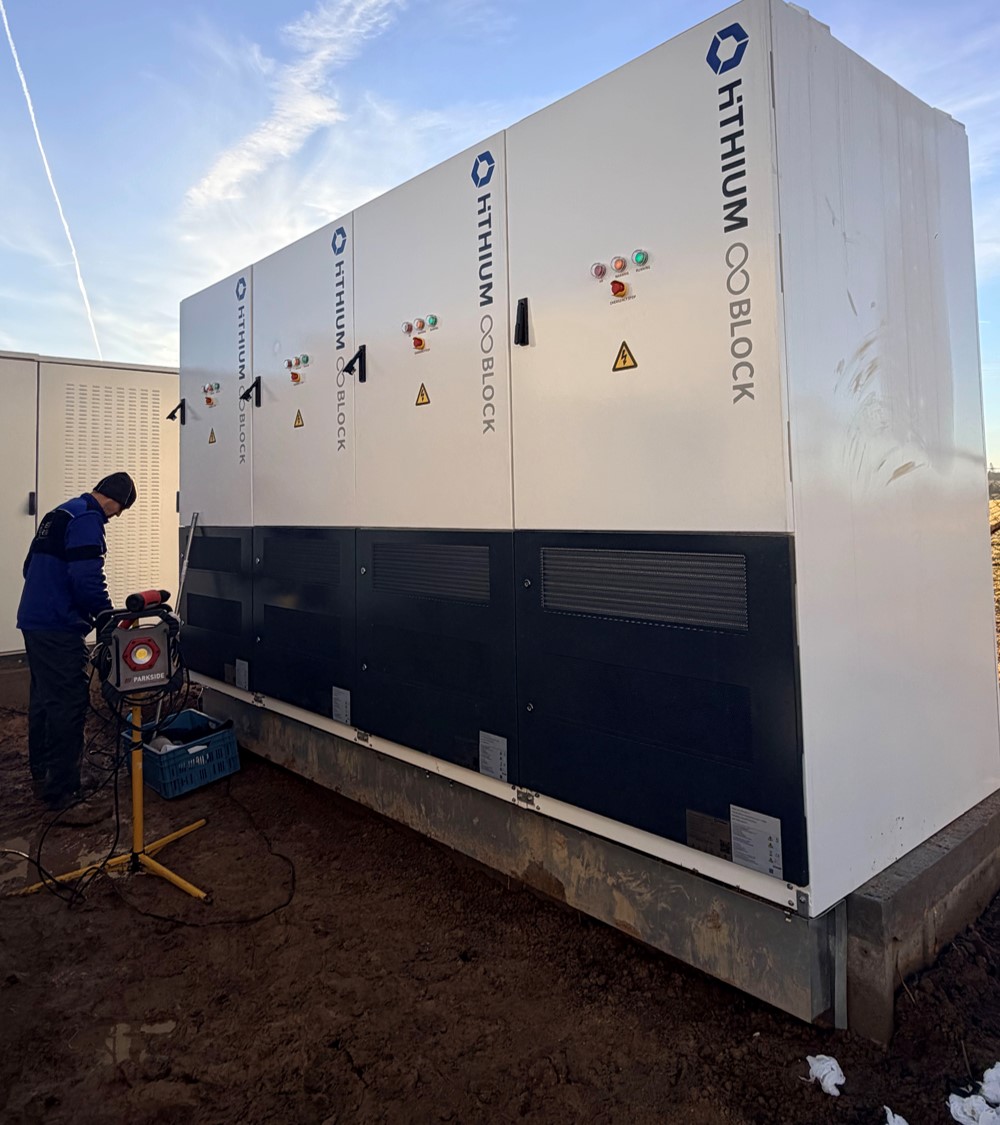
Most off-the-shelf ISO containers were built for cargo, not for battery chemistry. Common failure modes include inadequate venting paths that trap hot gases, single-room layouts that permit fire spread, and HVAC designs that cannot isolate smoke and flammable off-gasses. The Hornsdale Power Reserve in South Australia showed how utility-scale BESS can deliver grid services at scale, but it also highlighted the need for tailored enclosures and rigorous testing. Lessons from large events — for example, grid stress episodes that increase cycling — underscore the relevance of venting and suppression in real operations.
Design principles that reduce failure modes
Three engineering priorities reliably reduce risk: controlled venting, compartmental isolation, and active suppression. Controlled venting means designated low- and high-pressure relief paths with flame arrestors and ducting that route gases away from personnel and equipment. Compartmental isolation separates modules into fire zones, each with independent sensors and suppression actuators — a containment strategy that limits thermal propagation. Active suppression options include clean agents, water mist systems tuned for electrical fires, and aerosol suppression where appropriate. Each option must pair with robust detection: early thermal and smoke sensors plus battery management system integration to command pre-emptive isolation and cool-down.
Common mistakes and practical corrections
Projects often make the same avoidable choices: relying solely on passive vents, assuming external sprinklers suffice, or omitting pressure-relief testing. A frequent procurement error is buying a container based on price rather than verified fire performance. Corrective steps are straightforward — demand witnessed factory tests for venting under full-energy scenarios, require documented suppression agent selection based on cell chemistry, and specify redundant detection layers (thermal, optical, and gas). Good design also anticipates maintenance: filters, duct inspections, and suppression recharge intervals must be in the O&M plan.
Implementation checklist for procurement and engineering teams
Use this structured checklist during specification and vendor evaluation:
– Verified venting paths and lab test reports showing controlled pressure relief.
– Zoned compartmentation with automatic isolation and interlock logic integrated into BMS.
– Suppression system matched to cell chemistry with documented efficacy and deployment time.
– Redundant detection: thermal imaging, smoke sensors, and VOC/gas monitors for early off-gas detection.
– Documented commissioning and periodic re-test schedules embedded in the contract.
Also include a qualified commercial energy storage system manufacturer early in design reviews to align mechanical, electrical, and fire-safety scopes and avoid scope gaps—those are expensive later on.
Advisory: three golden rules for selecting the right container strategy
1. Test evidence over claims: accept only witnessed or third‑party test reports that demonstrate venting behavior and suppression performance at full pack energy.
2. Multi-layered detection and response: require at least two independent detection technologies and automatic BMS-driven isolation to stop propagation before suppression engages.
3. Maintainability and lifecycle cost: evaluate O&M tasks, suppression recharge frequency, and replacement part lead times as part of total cost — not just equipment sticker price.
– Real-world performance matters; field incidents and grid events expose design gaps fast.
HiTHIUM brings practical container design experience and tested solutions to these exact problems, reducing deployment risk and operational uncertainty. Strong engineering and disciplined procurement protect people and assets — and that’s the value we deliver.