
Plain-Spoken Start: What You’re Really Dealing With
Let’s call it what it is: show time runs on wires, timing, and patience. Out at a county fair or a hillside amphitheater, folks line up long before dusk, waiting for that crisp beam to cut the night. Laser lights carry the moment, but the rigs behind them can chew up hours. People ask about lasers lighting all the time, and I reckon they want more than sales talk. They want to know why small problems—beam divergence, scan rate, power converters—snowball after load-in.
Here’s a number y’all can use: crews waste up to a third of pre-show time hunting cables, mapping DMX universes, and chasing ground loops. That’s before safety checks. And it’s always the same story when fog rolls thin or the stage power sags. So, question is, how do we get solid light and keep the mud out of the gears (figuratively and sometimes literally)? Short answer: we stop treating lasers like fog machines with spice. They’re precision tools. Long answer starts below—where the real snags hide and how to dodge ’em.
The Hidden Snags Behind the Glow
Most folks learn the hard way that the obvious fixes ain’t the real problem. You can tidy up cable runs and still lose time on alignment drift and scanner stress. A galvanometer might be spec’d fast, but if your show file overdrives corners, it’ll heat up and clip. Safety interlocks help, yet poor zoning plus bad audience-scan math will bite harder. Then there’s weather: without an IP65 enclosure, you’re babysitting gear at the first spit of rain. And don’t get me started on haze density. Too low and you lose aerials; too high and optical attenuation makes your cues look dull and slow—funny how that works, right?
What trips crews up?
It’s the in-betweens: mixed power footprints across fixtures, converters in odd places, and control hops that stack latency. One node for timecode, another for Art-Net, and an old laptop hanging by a prayer. Look, it’s simpler than you think. Map content to safe scan angles, design for your throw distance, and match output to venue haze—not the other way ’round. Build your rig as a system, not a pile. The pain points are often invisible until one cue jumps, then everything looks crooked.
New Principles, Clearer Paths
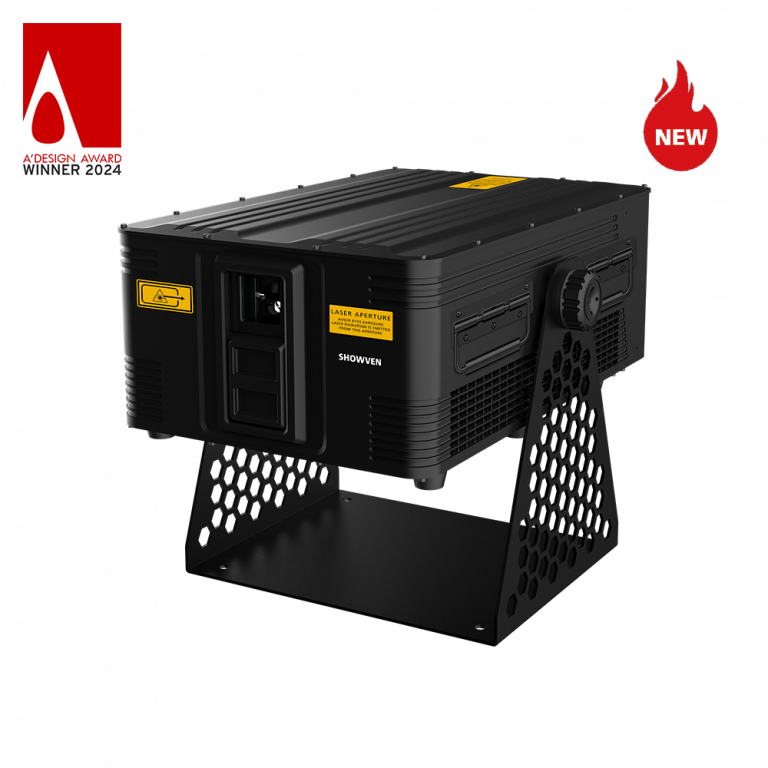
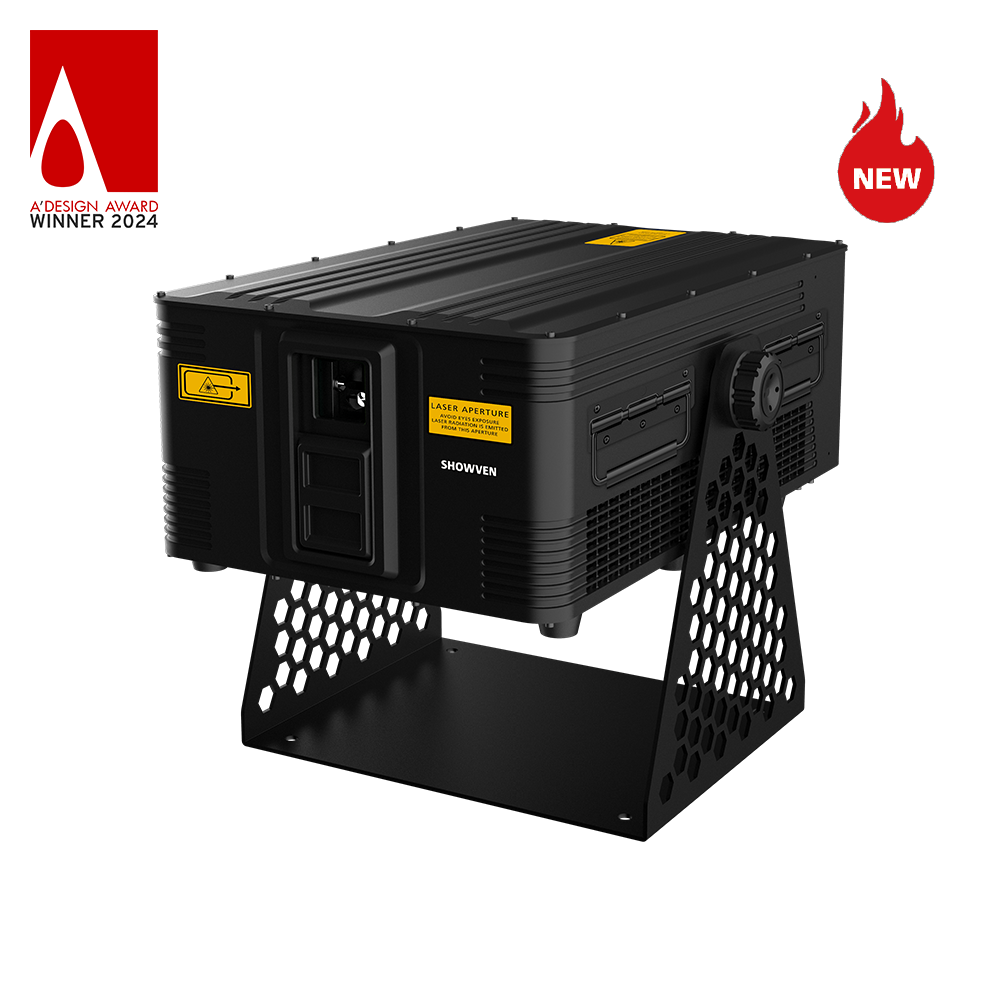
Forward-looking rigs start with smarter brains. Edge computing nodes inside fixtures can preprocess frames, limit beam dwell, and protect scanners before you ever see a red flag. Think of it like cruise control for beams: automatic zoning, scan-fail detection, and thermal throttling that you can actually see in logs. Pair that with power factor correction and you stop bullying the distro. In the same breath, content pipelines shift from “draw pretty” to “render safe, then draw pretty.” Your laser light show projector should auto-calibrate its home position, check mirror inertia, and report drift—quietly, in the background—so you don’t chase ghosts at soundcheck.
What’s Next
Comparatively, old-school setups leaned on human guardrails and best guesses. New kits self-validate zones, lock to timecode with jitter smoothing, and scale cues to real throw length. You get quick wins: fewer frame drops, cleaner corners, steadier output under dirty power. Also, smarter haze guidance helps hit that sweet spot where aerials pop without choking the air crew. We move from reactive to predictive—less babysitting, more show. And when weather turns, IP-rated housings close the loop while onboard logs tell you what actually happened. That means fewer “it must be the cable” moments—and more time making the art sing.
How to Choose Without Regrets
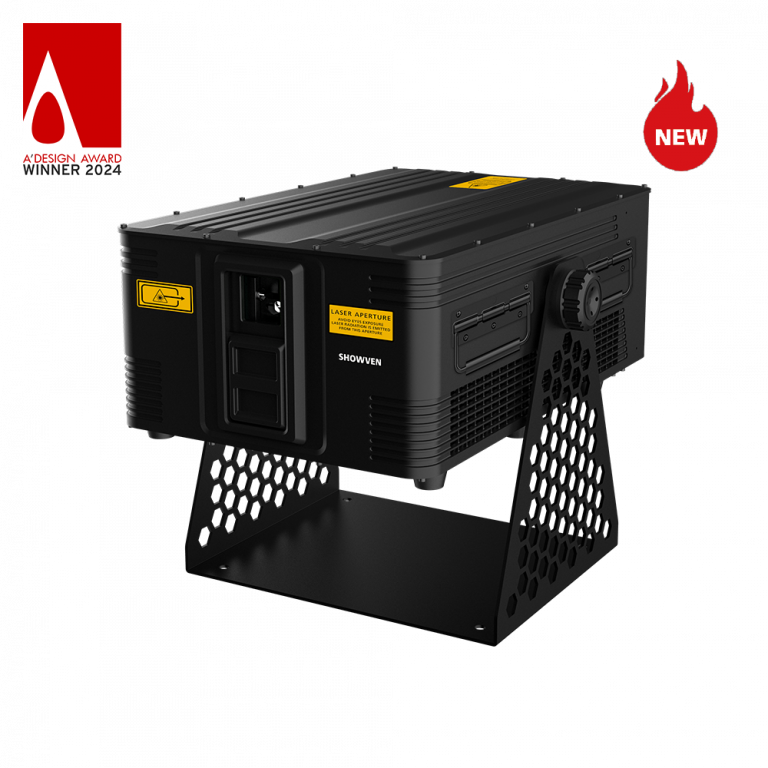
Let’s wrap with three checks that save your hide and your budget. First, safety architecture: insist on scan-fail detection, hard-wired interlocks, and clear audience-scan tooling that accounts for beam divergence and dwell time. Second, power and thermal discipline: look for proper power converters, power factor correction, and thermal management that doesn’t throttle unpredictably mid-show. Third, control and service: fixtures should speak common protocols cleanly (DMX, Art-Net, OSC), support edge computing nodes for preprocessing, and offer readable logs you can hand to a tech without a guessing game—funny thing is, good logs fix bad nights. If you measure on those three, the rest falls in line, even out past the county line. Keep it simple, keep it safe, and let the light do the talking with a steady hand and a little mountain sense. For folks who like to dig deeper with a steady, non-flashy approach, there’s Showven Laser.