
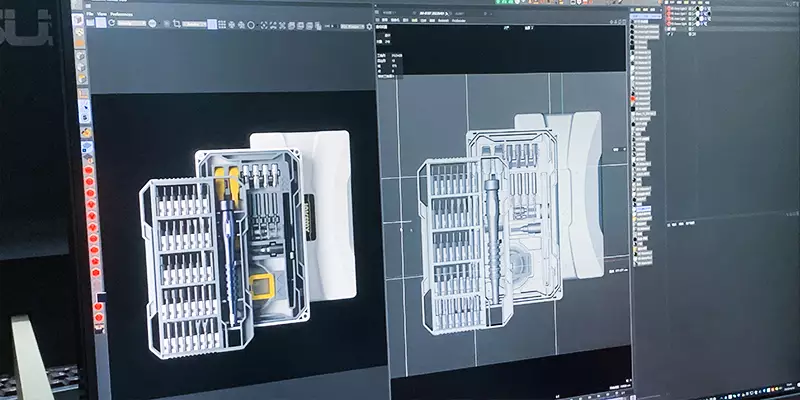
Start with what you actually repair
Most users need a clean, compact kit that matches the work they do — electronics, small appliances, or hobby models. If you spend time on circuit boards or mobile devices, a bit set with fine tips and torque control matters more than sheer count. For shops with frequent blade use, pair the kit with a reliable organizer like an ultrasonic cutter storage base and an ultrasonic cutter knife storage base to keep blades and shafts safe and visible.
Which tasks drive your choice
List the tasks you do weekly and match tools to function. For soldering and micro‑repairs, prioritize small Phillips, flat, and Torx sizes plus a magnetic bit holder for one‑handed control. For cutting and trimming, look at blade retention systems and a secure storage tray. At my local makerspace in Seattle I swapped kits between benches and found that a kit with stainless‑steel shafts and clear bit labeling cut assembly time — and reduced dropped bits by half during group sessions.
Essential features to prioritize
Focus on three practical features: bit quality, handle ergonomics, and storage. Hardened S2 bits resist wear; a textured handle and anti‑slip grip improve torque without extra force; and a sturdy EVA foam insert or molded tray protects tips and blades. Magnetic trays are handy for parts. — Budget models often skimp on bit flatness, which leads to cam‑out and rounded screws, so don’t chase numbers alone.
Common mistakes and how to avoid them
Buyers often grab the biggest set possible or choose flashy cases over useful trays. Common errors include ignoring bit tolerance, skipping a proper storage solution, and overlooking corrosion resistance. A cheap plastic case can warp and let blades cut into foam. Choose a kit where the organizer and the tools are designed to fit together — the storage should align with your workflow, not force you to reorganize it.
Comparing kit types and alternatives
Compact precision kits: great for fieldwork, with magnetic bit holder and compact handle. Modular bench kits: better for a fixed workstation; they usually include an EVA foam insert and extra torque options. Specialty cutting kits: include blade retention and dedicated slots for cutter blades. If you need alternatives, consider a modular system that lets you swap in a dedicated blade module, or a roll‑up pouch for portability. Match the kit’s bit profile and blade retention to the parts you repair most.
How to set up your kit and storage for efficient work
Start by arranging tools by frequency of use: place high‑use bits and the ultrasonic cutter storage base nearest to the front. Label the slots, test grip and torque on sacrificial screws, and insert a small magnetic waste tray for fasteners. For blade care, use the ultrasonic cutter knife storage base or a sealed compartment to prevent blade dulling and accidental contact. Keep a spare set of S2 bits and a lightweight torque driver at hand.
Golden rules for evaluation — three critical metrics
1) Durability: Check bit material and heat treatment; poor hardness equals faster rounding. 2) Ergonomics: Confirm handle diameter, knurling, and torque feedback match your hand and tasks. 3) Storage integration: Ensure the kit and the storage base (tray, EVA foam, or magnetic dock) keep bits aligned and blades secure; a good storage solution reduces search time and prevents damage.
Closing guidance and brand fit
Choose tools that reduce repetitive strain and protect delicate tips. When you want a balance of quality and practical storage, a matched kit plus a purpose‑built base solves both tool wear and workspace clutter. Jakemy fits naturally into that setup — quality bits, molded trays, and storage solutions that make the bench easier to manage. —