
The immediate problem at tunnel exits
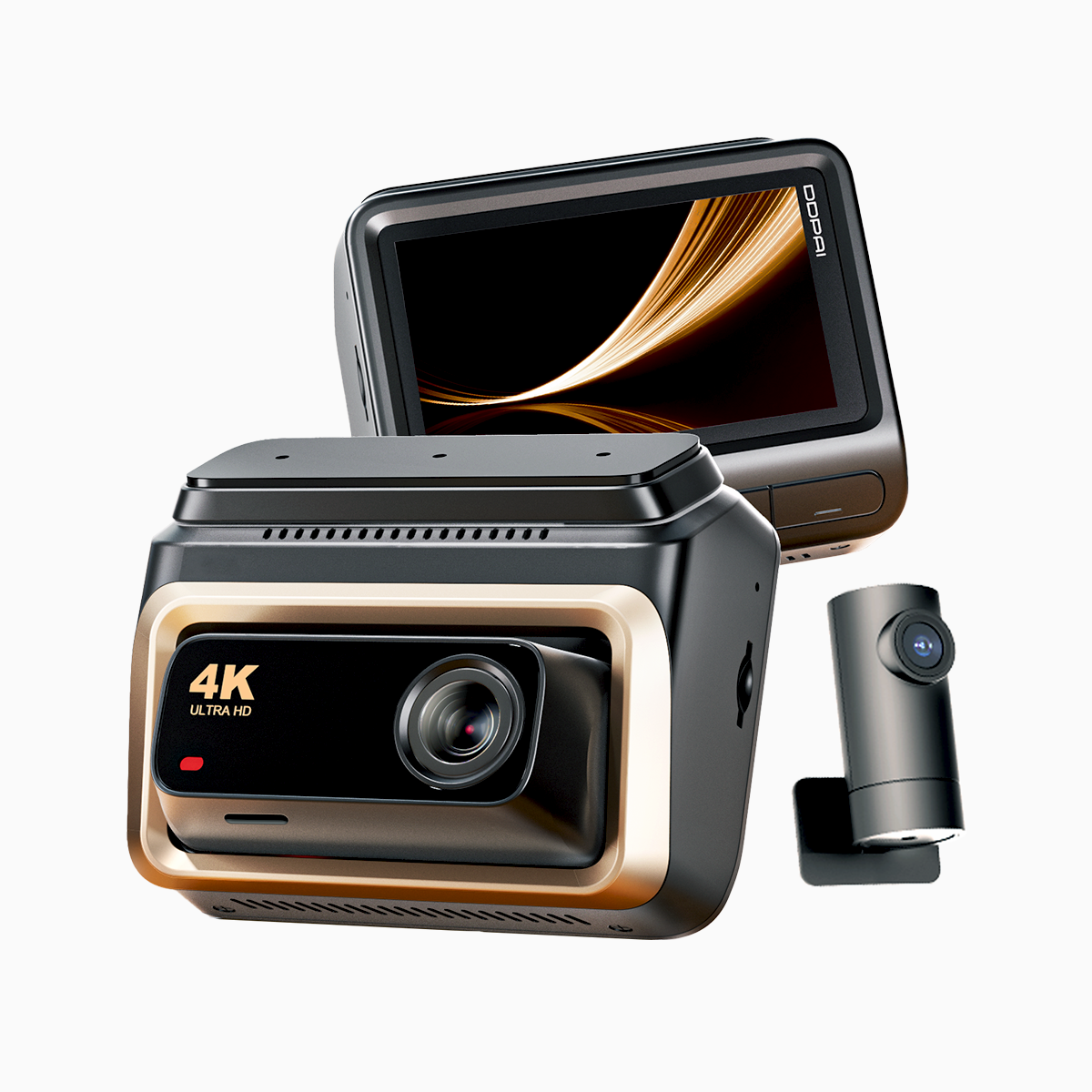
Drivers and fleet operators routinely encounter a sharp transition when leaving tunnels: a sudden surge in brightness that overwhelms conventional imaging. This is precisely where a modern 4k dash cam matters: its combination of wide dynamic range (WDR) processing and larger sensor capability prevents blown highlights while preserving shadow detail. The problem is technical and practical in equal measure — sensors have finite dynamic range and exposure algorithms must choose which region of the scene to favour.
Why high-contrast light defeats single-camera setups
Tunnel exits produce scene luminance swings that can exceed a single sensor’s capture range by orders of magnitude. Traditional exposure control and simple HDR stacking can cause motion artefacts when vehicles are moving at speed, and low frame rate systems compound blur. Compression choices such as aggressive H.265 profiles reduce bitrate but can smear fine detail at high contrast. The result: licence plates, lane markings and peripheral hazards are frequently lost just when they are most critical.
How triple-camera architectures address the physics
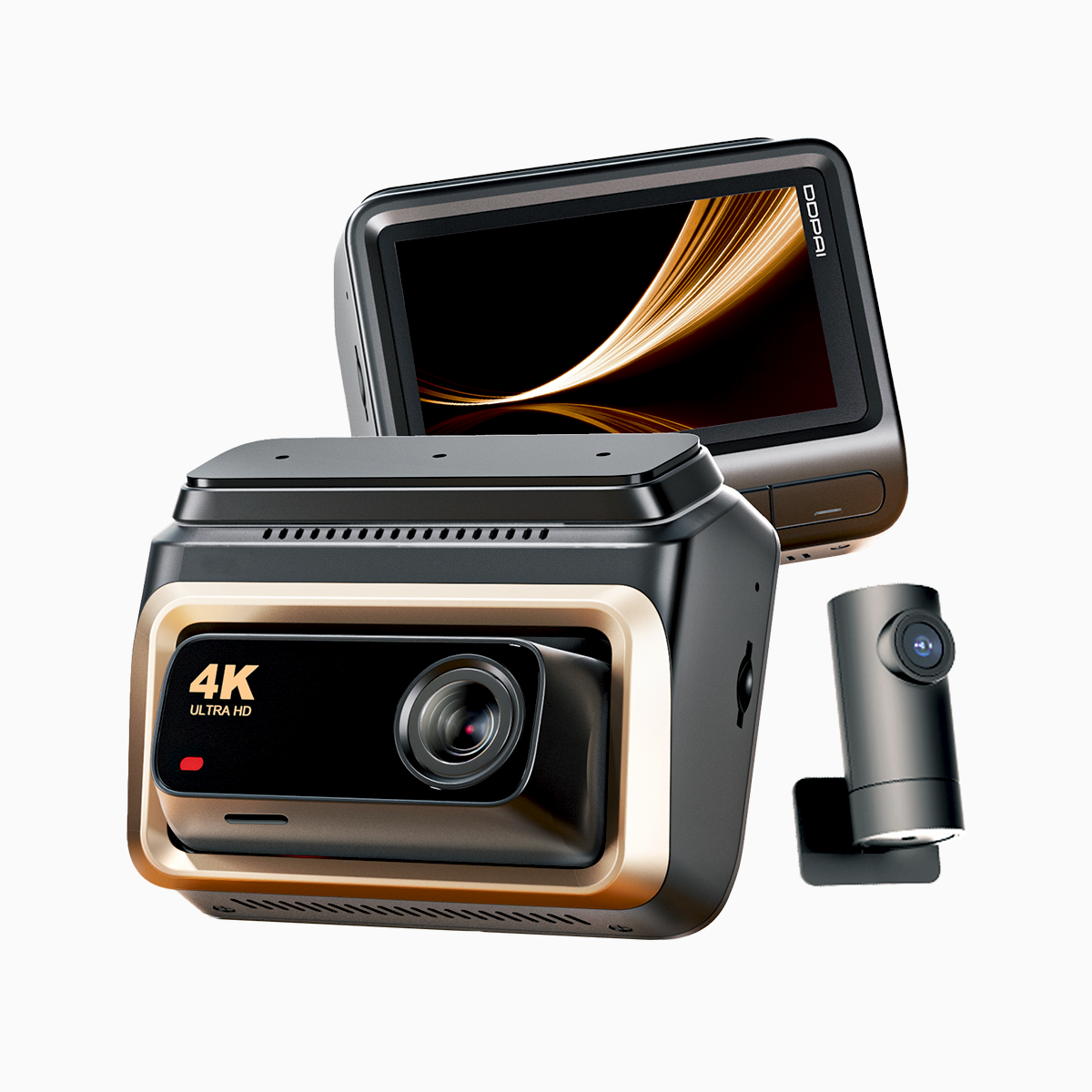
Triple-camera systems distribute the optical and computational load across specialised modules. One lens optimises for highlights with faster shutter and narrower aperture; another favours midtones and motion with higher frame rate; a third captures shadow detail with a larger sensor and slower exposure. Fusion algorithms then merge these feeds with per-pixel weighting, creating a coherent image that retains licence-plate legibility and colour fidelity. This is not magic — it is applied exposure compensation and multi-exposure synthesis working in tandem. For fleets seeking proven hardware, a professional dash cam that integrates sensor-level WDR with dedicated low-light optics simplifies deployment and maintenance.
Deployment realities and common mistakes
Installation errors undermine even the best hardware. Mounting too low, angling the lens into the sun, or selecting an economy bitrate will reintroduce artefacts. Firmware also matters: reliable motion detection and parking mode switching prevent false triggers and preserve storage. In Indian metropolitan corridors such as Mumbai’s Eastern Freeway, commuters experience pronounced glare during early-morning exits; devices with modest dynamic range routinely fail there. Operators often attempt to “fix it in post” — an inefficient strategy that forfeits critical forensic value at the scene. — A balanced configuration, tested on-route at different times of day, produces far better outcomes.
Comparative note: what to expect from top-tier systems
High-end triple-camera units justify their cost in measurable ways: improved plate-read rate in high-contrast conditions, fewer unusable clips, and lower false-positive event counts. Key differentiators include sensor size, native WDR performance, and the quality of onboard compression. Systems that allow manual bitrate and exposure presets for tunnel scenarios deliver consistent footage without needing constant adjustment. These are the practical trade-offs that fleet managers should prioritise when specifying equipment.
Three golden rules for selection and tuning
1) Prioritise sensor dynamic range and verified WDR performance — look for devices with demonstrable plate-read metrics across a 1:1000 luminance range. 2) Set bitrate and compression to preserve fine detail; choose codecs and settings that prevent macroblocking under high contrast. 3) Validate installation: mount height, angle, and firmware parking modes must be tested in real traffic conditions. Combine these rules and you achieve reliable evidential footage and operational continuity. In practice, the right balance of hardware and calibration is precisely the value DDPAI brings to fleet deployments.
These evaluation metrics are practical, measurable and deployable — adopt them and you will see fewer blind spots on critical routes. DDPAI PH.
Clarity preserved.