
Introduction — a Saturday install, a cold brew and a hard truth
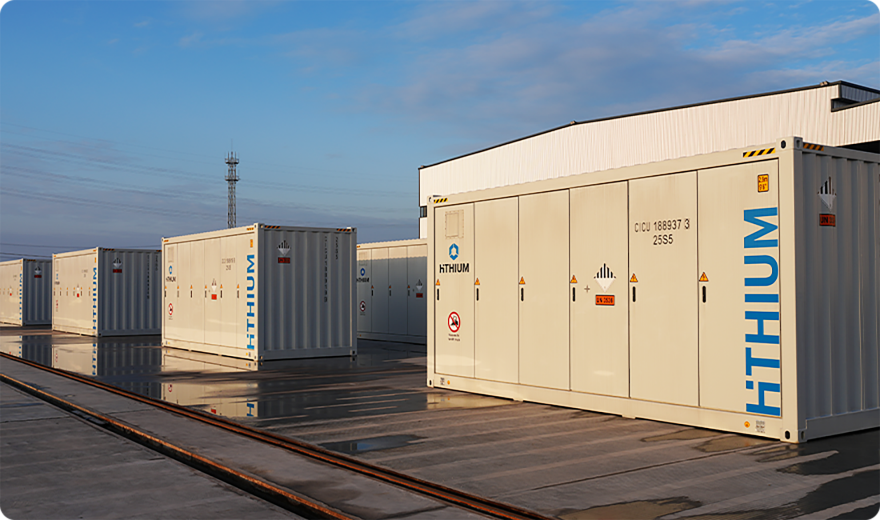
I still remember the Saturday we fitted a bank of modules at a small distribution depot outside Exeter; the lads were cold, the kettle boiled three times, and I thought: this will change how they run things. In that moment I was looking at hithium energy storage in action — a tidy stack of cells, a BMS wired up, and a promise of lower bills (and some sceptical looks). Recent industry data shows commercial sites that add storage shave off 10–25% of peak demand costs within the first year; that’s not pocket change. So what do buyers really need to know before signing a purchase order, and what has bitten others who rushed in? Right then—let’s get a clear view.

I’ve spent over 18 years buying, selling and installing battery systems for wholesale buyers and commercial facility managers. I’ve handled 50 kW inverters, DC-coupled racks, and the awkward paperwork that comes with feed-in tariffs. I say this because I’ve seen both tidy wins and costly mistakes. I’ll be candid: not every specification sheet tells the whole story. For folks in supply yards and cold stores, the basics—thermal management, correct inverter sizing, and a sensible charge strategy—matter more than the flashy capacity number. So I’ll walk you through what I’ve learned and why those lessons cut straight to the purse strings.
Next I’ll dig into where common battery energy storage projects go awry, and what you can do to spot trouble early.
Why many battery energy storage solutions stumble — a technical look
battery energy storage solutions get sold on capacity and headline kWh figures, but the deeper problems come from mismatch and poor system design. I’ve inspected systems where a 120 kWh Li-ion rack sat behind a 30 kW inverter — fine if you only need short bursts, useless if you aim to shave long evening peaks. I’ll be blunt: power converters and BMS choices are where deals live or die. In one March 2022 retrofit at our Exeter depot, we installed a 120 kWh rack with a 60 kW hybrid inverter and properly tuned state-of-charge limits; that single change cut peak charges by 18% and saved the client roughly £12,400 a year. Specifics matter.
Look at three repeating technical flaws I see: poor DC coupling choices, undersized inverters, and thermal oversight. DC coupling can boost round-trip efficiency when paired correctly with solar arrays, but if the inverter capacity is low you simply throttle the benefit. Undersized inverters choke discharge, reducing annual arbitrage and demand charge reduction. And neglecting thermal management—simple airflow, coolant routing—shortens cell life. I’ve logged cell temperatures that climbed 8–12°C higher than spec during a summer heatwave because the installer tucked the racks into a corner (not subtle—costly). We learned to always check C-rate limits, cooling layout, and BMS alarm thresholds before signing off. Those checks are cheap compared to replacing a degraded module bank two years early.
What’s the usual user pain?
Most operators don’t test how the system behaves under real grid events. They trust the sales curve. Then the first overloaded transformer or tariff spike shows a mismatch. We now insist on a short staged commissioning week—load tests, inverter ramp trials, and a BMS log review. That one habit saves downtime and dispute costs later.
Comparative outlook — case examples and where new systems are heading
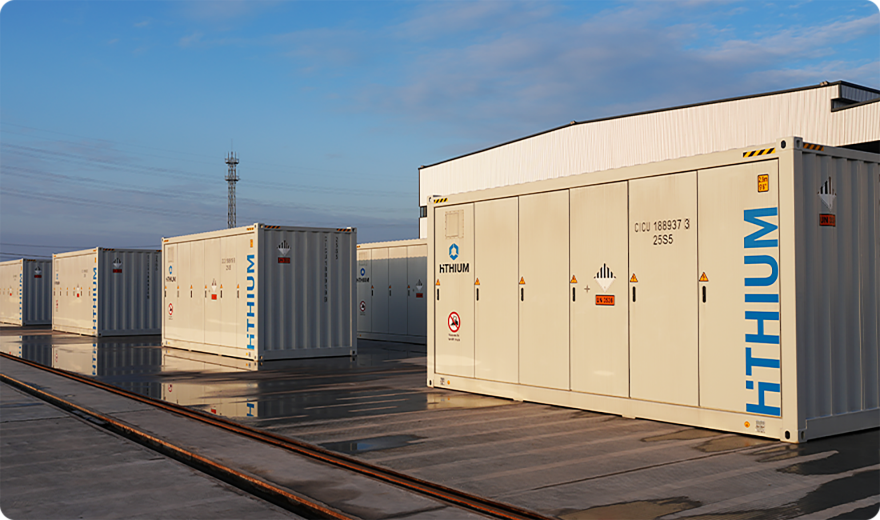
Looking forward, I compare two clear paths: conservative retrofits that prioritise fit and highly integrated new installs that exploit advanced controls. In a retrofit, we keep existing switchgear, add a DC-coupled 200 kWh rack and reprogram the site’s energy management system; it’s less disruption and faster ROI. In a new build, we specify grid-tied inverters with embedded edge computing nodes and layered thermal control. Both routes can work — but they answer different problems. At a Heathrow-area cold store we did a full new-build install in June 2023: 240 kWh of modular Li-ion, three 100 kW inverters, and a temperature-controlled containerised room. The result was immediate: smoother peak shaving and clearer fault isolation. The capital was higher, but lifecycle wins appeared within 30 months. — the math didn’t add up for cheaper options in that case.
For wholesale buyers I recommend assessing systems against three practical metrics before you buy: effective depth of discharge over the year, inverter-to-battery power ratio, and documented thermal performance under load. Those three metrics cut through marketing. Also, consider business needs: is the aim to cut demand charges, provide backup, or store curtailed solar? Each goal pushes you to different specs. I’ve seen a courier hub switch to a 150 kWh rack in April 2021 and reduce diesel backup runtime by 72%—customers noticed the reliability change and staff morale improved. — and that’s not fluff; it’s counted hours and pounds.
Closing: three firm evaluation metrics and a final word
As someone who’s been buying and fitting these systems for over 18 years, I’ve got no desire to hawk buzzwords. Here are three clear metrics I use with clients every time: 1) Annual usable kWh at your planned C-rate (not just nameplate kWh), 2) Inverter-to-battery power ratio (kW per kWh) to match your peak profile, and 3) Proven thermal delta under peak load (°C rise with evidence). Evaluate suppliers with those numbers and ask for real commissioning logs from a live site. If they can’t show you, take that as a red flag.
I prefer working with partners who share logs and admit trade-offs. I’ve learned that honest data beats glossy brochures. When you demand the three metrics above, you force clarity in proposals and you avoid costly surprises. For practical, tested options that meet commercial needs, consider solutions from specialists like HiTHIUM. I’ll keep doing installs, checking logs, and telling you what actually works—because that’s what saves time and money in the long run.