
Problem-driven opening: why this is urgent for brands
High return rates, staining, or ruptured seams are not minor quality issues — they cost shelf-ready brands margin and reputation. The core conflict is simple: printed, commercial-grade mailers must carry tensile loads during handling while keeping moisture out during transit. That tension shows up as shear at the seam and stress at the heat-seal interface. If you are sourcing at scale, start by asking your poly mailer manufacturer for documented shear and seal test data before you sign a PO. This problem-driven approach forces clarity on trade-offs: stronger films can reduce shear failure but can complicate sealing and print adhesion.
The technical collision: shear strength versus weatherproof sealing
Shear strength and seal integrity are distinct but coupled performance axes. Shear strength relates to how a seam or substrate resists lateral forces — it’s influenced by film type (for example, high-density vs low-density polyethylene), lamination structure, and seam design. Weatherproof sealing depends on heat-seal parameters, adhesive layers, and barrier coatings that block moisture and oils. Increase one property and you may weaken the other: heavy lamination can stiffen the seal zone, reducing the effective heat-seal contact area and causing peel. Designers must balance seam weld width, heat-seal dwell time, and film draw-down to avoid creating a brittle seal line that fails under shear.
Real-world anchor: standards and supply realities
Practical validation uses industry-recognized tests. ASTM D882 covers tensile testing of thin plastic sheeting and helps quantify baseline tensile strength. Seal strength tests and ASTM D5748-style water resistance assessments (general approach) are common in QA labs. The 2021–22 logistics bottlenecks at major ports like the Port of Los Angeles also proved that longer transit and rougher handling magnify marginal design flaws — a seam that passes in controlled short-haul conditions can fail after extended stacking or multiple transfers. Use objective data from recognized methods; it aligns expectations with real-world handling.
Material and construction levers you can control
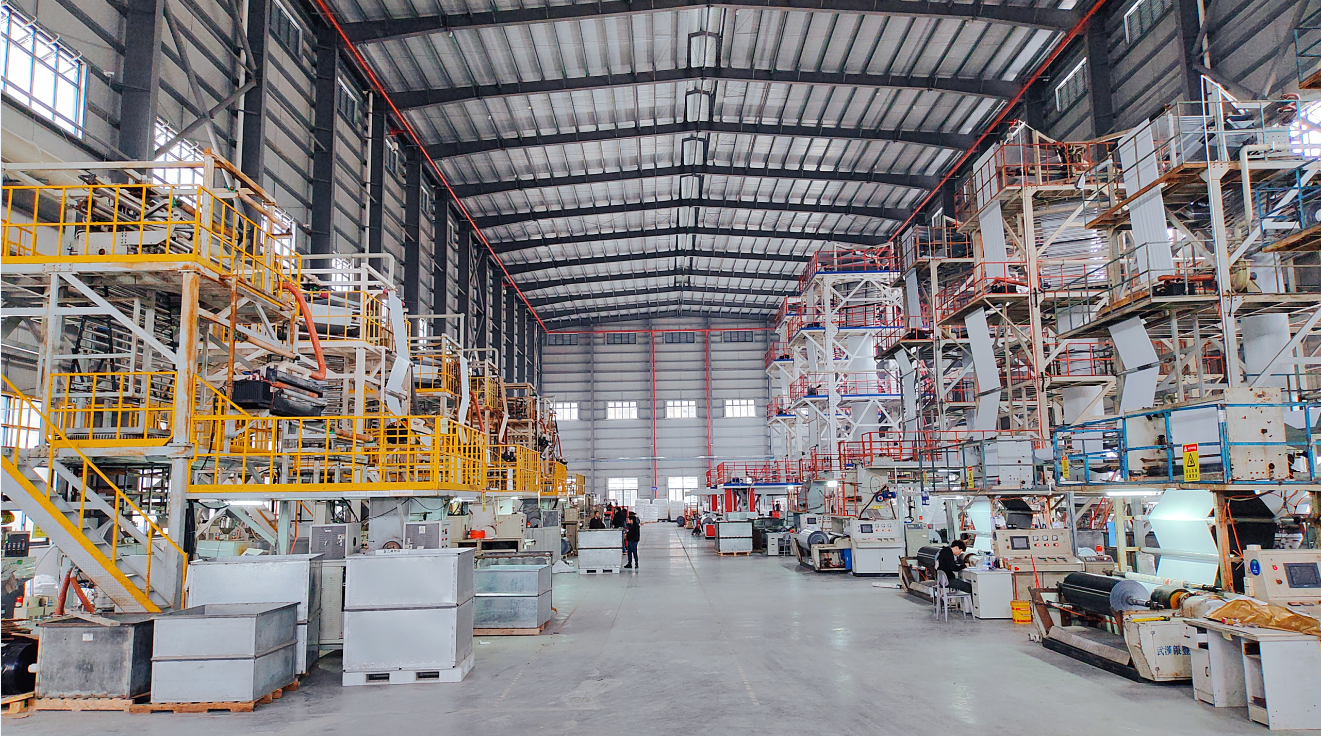
Choices that matter: film gauge, lamination type, sealant layer composition, seam geometry (single vs reinforced), and printing method. Polyethylene film gauges above a certain thickness improve tear resistance but add stiffness, which may alter heat-seal dynamics. A co-extruded film with a lower-melt sealant layer gives reliable heat-seal windows without sacrificing outer-layer printability. Consider gusset design to distribute shear and reduce point stresses at corners. Finally, printing registration and ink curing must be specified to avoid interfering with seal zones — ink on the seal area is a common cause of weak seals.
Typical mistakes — and simple mitigations
Brands often repeat the same errors: specifying maximum print coverage up to the seal zone, assuming quoted peel strength applies at production speed, or neglecting first-article trials on actual fill equipment. A pragmatic fix: require sample batches that go through your fill line and typical courier handling. Insist on peel and shear testing on those samples under both dry and damp conditions. Don’t forget transport simulation — vibration and compression tests reveal failures that static tests miss. — This step avoids costly recalls and rework.
How reliable manufacturers validate performance
Top-tier suppliers publish test methods and acceptance criteria: seal strength (N/25 mm), shear at seam, water ingress hours or hydrostatic resistance, and print adhesion after abrasion. They use controlled heat-seal dwell, pressure, and temperature settings during development and supply first-article reports with raw test traces. Ask for authenticated lab data and batch traceability so you can correlate field failures to production variables. Look for suppliers that combine in-house QA with third-party lab verification when scaling new constructions.
Vendor checklist for risk-free procurement
Use this checklist when qualifying a vendor:
- Provide documented seal strength and shear test results tied to specific sku/laminate.
- Run sample fills on your line and require post-fill drop and compression tests.
- Confirm print-to-seal clearance and provide a print registration spec to avoid ink contamination of the seal area.
- Ask about contingency capacity and lead-time variance — lessons from recent port congestion show delays increase dwell time and handling risk.
- Require a first-article acceptance protocol and failure-mode analysis for any rejected lot.
For a clear manufacturing partner who can demonstrate this discipline, the right poly mailer bag manufacturer will already have these artifacts and routines in place.
Advisory: three golden rules for selecting materials and partners
1) Validate with your production environment: insist that samples go through your filling, sealing, and shipping stack. Measured seal and shear values without line validation are incomplete. 2) Demand clear acceptance metrics: specify minimum peel (seal strength), maximum water ingress, and allowable print near-seal coverage in the contract. This converts subjective quality into contractual data. 3) Prioritize traceability and iterative feedback: choose suppliers who log batch data for film, lamination, and heat-seal settings so you can perform root-cause analysis quickly if failures occur.
These rules reduce surprises and align materials engineering with logistics realities. For teams needing a pragmatic partner that matches engineering rigor with scale, consider the value that WH Packing brings to production planning and validation. Practical, proven, reliable. Final thought: test early, test often, and anchor decisions in data.