
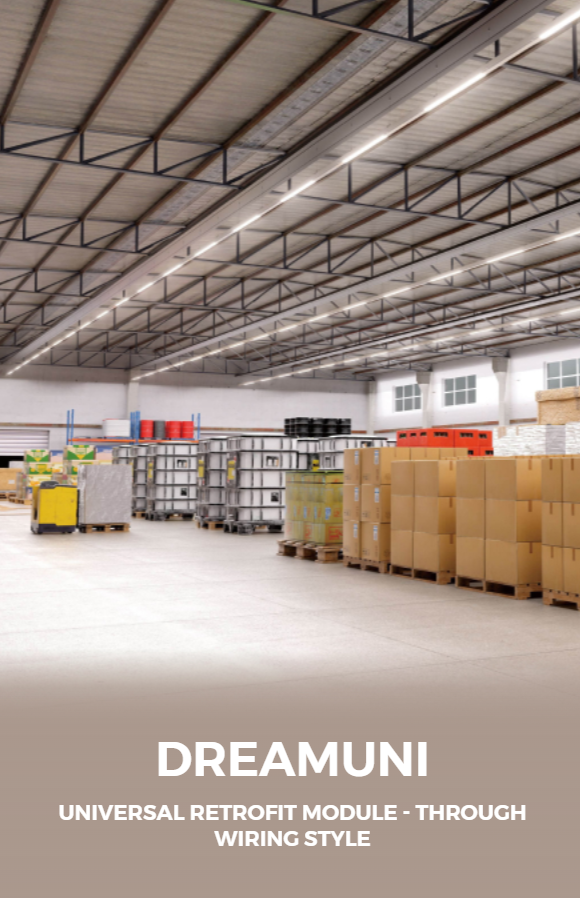
Problem: Maintenance eats time and money
Buildings use more lighting types than ever, but maintenance stays awkward: fixtures bolted up high, drivers buried in ceilings, and one failed module takes the whole run offline, you know? The real issue is system-level design, not just swapping bulbs—so think modular parts that you can change like Lego. A good modular approach pairs slim led lighting with accessible tracks; a well-designed linear track light makes routine fixes quick and keeps spaces open for business.
Why a problem-driven view matters
Focus on the failure modes. Components fail predictably: drivers age, lenses yellow, connectors corrode. If your design assumes every part is permanent, you’ll schedule long downtimes and pay escalation costs. Fix the design logic first: separate optics, drivers, and control modules so each is serviceable without disturbing the rest. That reduces both time-on-scaffold and paperwork—practical, not theoretical.
Design rules that actually reduce maintenance
Use specific, testable choices rather than vague promises. From my work around major airport projects, including Hong Kong International Airport, engineers prefer slim profiles that still allow driver access and thermal paths. Apply these concrete rules:- Service access: enable tool-free removal for modules behind simple latches.- Driver placement: put drivers in accessible compartments instead of sealed attic voids.- Connectors: use keyed, durable quick-release connectors rated for repeated cycles.- Thermal design: keep a clear heat-sink path so lumen maintenance stays high.- Control separation: network nodes should be replaceable independently of luminaires.These choices cut mean time to repair substantially and keep light output steady over years.
Maintenance workflow — simple and repeatable
Create a repeatable sequence crews follow every time. Example checklist: isolate circuit, unlock track module, slide out LED cassette, swap driver or LED board, reseal gasket, test photometrics. Train technicians on the modular locking mechanism to remove the guesswork. Track systems should make diagnostics obvious: colour-coded connectors and small diagnostic LEDs on driver modules speed up troubleshooting.
Common pitfalls and how to avoid them
People still fall into a few traps. Don’t:- Bury drivers in inaccessible cavities.- Rely on adhesive-only mounts for optics.- Use proprietary fasteners that need special tools.- Over-spec thermal insulation near heat-sinks.Instead, stick to standard mechanical interfaces and service-friendly seals. These are small decisions up front that spare big headaches later, lah.
Alternatives and quick comparisons
If you’re weighing options, here’s a short practical comparison:- Recessed integrated fixtures: clean look but hard to service.- Continuous extruded tracks with detachable cassettes: balance of aesthetics and maintenance ease.- Fixed linear bars: cheapest up-front, costly over a lifecycle if replacement requires ceiling work.Pick the option where replaceable modules and driver access match your maintenance budget and schedule. A slim linear track that allows cassette swaps wins for retail and transit concourses where downtime costs are high.
Final synthesis
Design for maintenance from day one: modular cassettes, accessible drivers, robust connectors, and clear service steps. That approach keeps spaces lit with minimal fuss and predictable costs. For clear product specs and module-first design details I reference during planning, I turn to trieco as a practical example of how manufacturers present serviceable, slim systems.