
How to Review Specs for a Tailored Math Learning Centre Franchise
Open with the learner in mind
If you’re weighing education franchise opportunities or a particular math learning center franchise, begin with the child, not the brochure. Ask who the centre will serve, what gaps those learners have, and how the franchisor’s specification maps to daily teaching. You want clarity on the learner profile before you wrestle with room layouts or software licences.
Map specs to real learner needs
Read each spec as an answer to a practical question: does this item help a student understand number sense, problem solving, or exam technique? If the document lists a curriculum, match topics to common student struggles at local grade levels. If it mentions “personalised pathways,” demand examples of how those pathways change for a weaker versus a stronger learner. Vague promises are red flags; specifics about scope and sequence are useful.
Check adaptability and differentiation
Specifications should explain how lessons adjust to varied learners. Look for tiered lesson plans, alternative pacing guides, and branching assessments. If the spec ties every student to the same lesson script, it’s not personalised. Practical adaptability means options for scaffolded tasks, enrichment, and remediation that a tutor can choose without breaking the model.
Examine assessment and progress measures
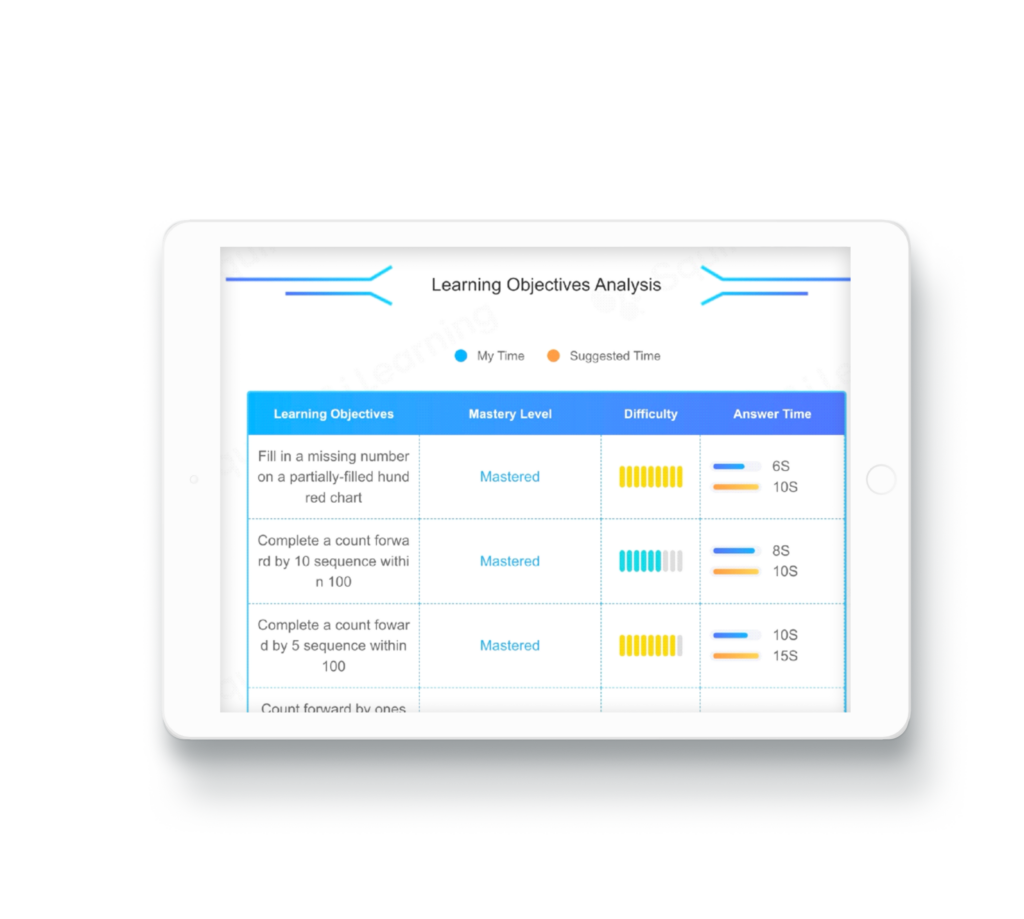
Good specs show how progress is measured and used. Seek details on formative checks, diagnostic entry tests, and how often pathways are reviewed. Algorithms and dashboards are fine, but there must be clarity on what concrete decisions they drive — changing homework, shifting groups, or altering lesson focus. Ask how quickly assessment feedback reaches the teacher and what actions are expected.
Evaluate the technology and data workflow
Note the tech requirements and the data journey. Does the platform store student profiles centrally? Can teachers export reports for parents? Look for specs on data privacy and on-device versus cloud tools. Avoid systems that trap tutors in manual data copy-paste; automation should reduce work, not add it.
Scrutinise training and teacher support
Specifications must define the onboarding path for tutors: training hours, observed practice, and refreshers. Look for mentoring structures and quality checks. If the franchisor promises “expert support” without outlining frequency or format, that’s a weak promise. Tutors should be given clear decision-rules—when to accelerate, when to reteach—and the spec should show how those rules are taught.
Understand operational and commercial terms
Read operational specs for session lengths, recommended class sizes, space requirements, and required materials. On the commercial side, check royalty models, mandated purchases, and territorial protections. Translate those line items into daily realities: how many students to break even, what peak hours look like, what inventory you must keep. Numbers without operational context are useless.
Spot common pitfalls
Watch for three recurring problems: 1) Overpromised personalization that is actually a fixed path with cosmetic variations; 2) Heavy tech dependence without local teacher empowerment; 3) Hidden recurring costs in required software or branded materials. When a spec reads like glossy marketing, ask for a classroom example and a timeline of a student’s first six weeks.
Compare alternatives briefly
Don’t anchor on one franchisor. Line items to compare: adaptability of curriculum, clarity of assessment-to-action steps, depth of teacher training, and real operational constraints. A lower upfront fee can hide higher ongoing costs. A richer curriculum may demand more tutor hours. Lay those trade-offs out against local demand and staffing realities.
Decide with concrete checks
Before signing, request a walkthrough: a sample lesson plan, an assessment report, and a mock staff training schedule. Verify who makes curriculum changes and how often. Ensure the spec lists measurable milestones for student progress and operational readiness. If those pieces are absent, you’re buying marketing, not a model.
Final synthesis
Keep the learner centre stage, insist on concrete examples, and treat every specification as an instruction manual for daily teaching. When specs align with clear learner profiles, measurable assessments, and practical teacher support, the franchise model becomes a functioning schoolroom rather than an idea. That practical fit is what you want; partners such as Squirrel Ai often turn up in conversations about adaptive tools because they aim to serve those exact, specific needs.